
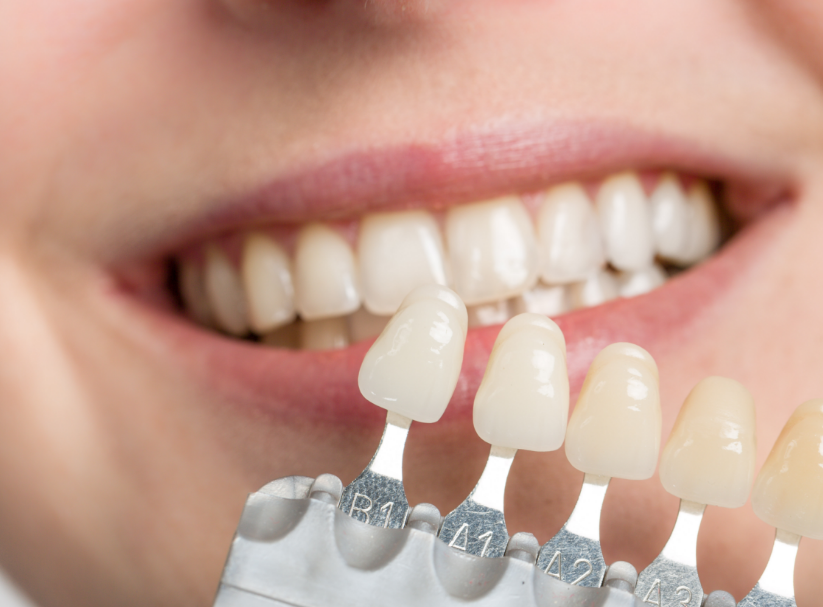
Porcelain veneers are one of the most popular cosmetic dental treatments for creating a brighter, more uniform smile. They’re durable, stain-resistant, and beautifully natural-looking. But even with these high-quality restorations in place, many patients wonder whether they can still get cavities. The simple answer is yes. While veneers themselves cannot decay, the natural tooth structure beneath them is still vulnerable. Understanding why cavities can still develop—and how to prevent them—can help you protect your investment.
Veneers Only Cover the Front Surface of Your Teeth
A veneer is designed to enhance the appearance of the front of your tooth, but it does not cover the entire surface. The sides, the back, and the gumline areas remain uncovered and still exposed to plaque, bacteria, and acids. This means that even with veneers, it’s possible for cavities to form in the areas not shielded by porcelain.
Daily brushing and flossing are essential for preventing this buildup. Cleaning thoroughly around the gumline, in particular, helps keep the underlying tooth healthy and reduces the risk of decay where the veneer does not provide protection.
Cavities Can Still Form Under Veneers
Even though porcelain does not decay, the tooth beneath it can. If plaque or bacteria build up along the margin where the veneer meets the natural enamel, cavities can form underneath the restoration. Once decay starts beneath a veneer, the veneer often has to be removed so the dentist can treat the tooth properly. In some cases, the tooth may require a crown or additional restorative work.
Regular dental exams and cleanings are especially important for veneer wearers. Your dentist will check the integrity of the veneer margins and make sure the underlying tooth remains healthy. Early detection can prevent more significant issues and help your veneers last longer.
Strong Oral Hygiene Protects Your Investment
Veneers can last a decade or longer with good care, but maintaining excellent oral hygiene is essential. Brush twice daily using a soft-bristled toothbrush and non-abrasive toothpaste to avoid scratching the porcelain. Floss gently around each veneer to remove plaque and prevent gum irritation. If you’re prone to dryness or plaque buildup, consider using an antimicrobial rinse to support gum health.
What you eat also makes a difference. Limiting sugary snacks and acidic drinks can significantly reduce your risk of decay. Staying hydrated and rinsing with water after meals help wash away lingering food particles and acids.
Professional Whitening Isn’t Recommended, But Professional Care Is
While you can’t whiten veneers themselves, regular dental cleanings help maintain their brightness and polish. Your dentist can also assess whether any areas around the veneers need extra attention. If you’re considering veneers in addition to whitening, your dentist may recommend whitening your natural teeth first so the veneers can be color-matched to your ideal shade.
With daily home care and routine professional checkups, you can enjoy long-lasting results from your veneers.
About the Practice
At Harper Dental, our dynamic team offers high-quality cosmetic dentistry services, including porcelain veneers, teeth whitening, and personalized aesthetic treatments. Our patient-centered approach ensures each smile receives the care and attention it deserves. To learn more about veneers or explore cosmetic options, come see us.
Call us at (479) 452-1638 or request an appointment online.